






Newsletter Subscribe
Join thousands of readers who get our Sunday Briefing: one email, five essential stories, zero fluff. Subscribe NOW!

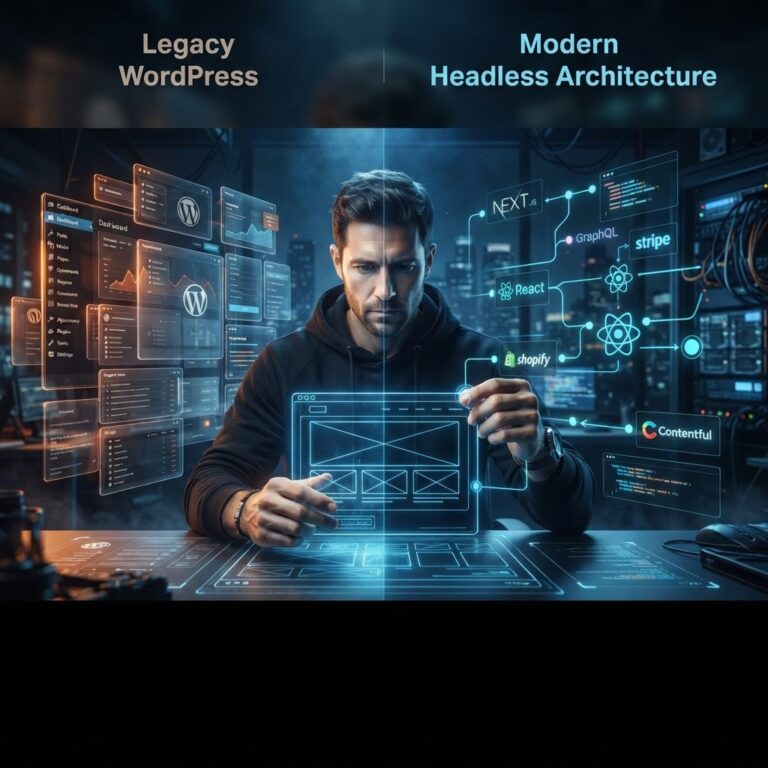
A critical look at the relationship between Progressive Politics and Full Site Editing (FSE) implementation in WordPress, questioning its impact on usability and accessibility.
When it comes to the intersection of technology and political ideologies, few subjects evoke as much debate as WordPress’s attempt at Full Site Editing (FSE). It’s almost ironic how a tool meant to simplify web design can spark such complex discussions. Usability versus complexity—this dance is one I’ve seen all too many developers engage in, often tripping over their own intentions along the way!
On one hand, FSE promises to empower every user to become a web wizard; on the other, it risks complicating the very simplicity WordPress stood for all these years. And let’s not even get started on how progressive politics weave their way into technology development. It’s messy and controversial, much like ordinary politics. Can FSE be the means through which we achieve a more inclusive digital landscape? Or is it merely a flashy band-aid over deeper issues within digital design?
Talking Points:
So, what is this FSE fuss all about anyway? In a nutshell, Full Site Editing in WordPress allows users to modify entire site layouts, including headers, footers, and sidebars, using the block editor—no coding required. Imagine reshaping your entire digital storefront with a few clicks. Sounds great, right? But here’s where it gets sticky: not everyone is ready for those changes.
With FSE, users can manipulate templates, implement global styles, and utilize block patterns more easily than ever before. However, that power comes with a learning curve. Transitioning from the classic editor to a complete block-based system can make even seasoned developers sulk like a toddler who lost their favorite toy.
Talking Points:
Let’s dig into the promise of FSE. The narrative is compelling: promote user empowerment and democratize web design. But is it empowering everyone equally? OR has this push simply added layers of confusion?
I can recall a time when I excitedly transitioned a client’s site to leverage FSE. The client—though eager—was completely overwhelmed. Sure, the design aesthetic became stunningly customizable, but who was managing the updated layout? It felt less like an upgrade and more like adding layers to a cake no one had asked for.
In my opinion, it’s a balancing act; too much flexibility can lead to disarray. Not everyone wants to dive into the nitty-gritty of block manipulation. Some simply want to put their content out there—clean and straightforward.
Talking Points:
When you throw progressive politics into the mix, things get even more serious. The push for accessibility and ethical standards appeals to our better nature but introduces a barrage of challenges for developers. For instance, how does WordPress ensure compliance with the Integrated Digital Experience Act? The lines between advocacy and usability blur rapidly.
I remember a heated discussion at a local meetup—should we prioritize accessibility standards, even if it means making some features less intuitive? The tension was thick. Advocating for users often feels like a noble cause, but when those ideals clash with best practices, everyone feels the repercussions. It’s hard not to feel overwhelmed when trying to accommodate every perspective.
Talking Points:
Speaking of standards, the US Web Design System (USWDS) plays a role worth examining. Aimed at federal websites, it emphasizes uniformity and accessibility. And now, with WordPress jumping on the FSE bandwagon, elements of USWDS are being infused into various themes. The hopes: to create compliant, user-centric interfaces that resonate well with users.
CivicPress, for instance, integrates FSE features with USWDS requirements—sure, it looks slick, but how does it translate to actual usability? Often I feel like I’m trading visuals for complexity. Many users simply want a functional, straightforward site, but integrating such frameworks often complicates that goal.
Talking Points:
Advocating for accessibility is no small feat. Don’t get me wrong; I’m all for making the web more inclusive. Like any developer, I champion good design principles. But let’s be honest: navigating accessibility standards can feel like a minefield.
When I worked on a site redesign last year, we were fresh off the heels of the latest guidelines—only to realize we had missed some details that people actually care about. Not just guidelines on a sheet of paper! It’s about real interactions and experiences—something often lost in compliance checklists.
Accessibility should not just be a checkbox but an essential part of the design ethos. However, when it begins to clash with user-friendly principles, we need to reconsider our priorities. What good is a user-friendly experience if it’s locked behind layers of compliance requirements?
Talking Points:
So, let’s discuss the Digital Experience Act. It does sound great on paper—mandating that federal agencies improve their digital services, focusing on things like accessibility and user experience. Honestly, who can argue against that?
But integrating these mandates into WordPress development isn’t without its baggage. For one, developers often find themselves in a tug-of-war between trying to meet government standards and pursuing innovation. As a WordPress developer, I often wonder whether we’re losing touch with the heart of open-source principles while trying to comply with a stricter regulatory environment.
Talking Points:
As if the challenges weren’t enough, we have the philosophical clash between open-source development and government regulations. Open-source advocates hold dearly to values like decentralization and creative freedom. Yet, when you wade through layers of bureaucracy, your innovative spirit can take a back seat.
Personally, I constantly grapple with whether I should prioritize innovation over compliance. Oftentimes, I feel trapped between two opposing philosophies, pleading for a unified solution. Must we sacrifice creativity in the name of compliance? There’s a stubbornness in traditional political frameworks that can feel suffocating.
Talking Points:
I often find myself pondering the future of WordPress. Is it heading down a rabbit hole of complexity? Or can it redefine itself to marry progressive ambitions with practical usability? It’s not an easy equation to solve. In my experience, listening to user feedback is vital. It’s how we learn, adapt, and ultimately evolve.
Perhaps, progressivism and pragmatism can coexist. But it requires us to be open to feedback, challenge our assumptions, and banish the default settings that dictate our development practices. Who knows? Maybe FSE can become a triumph that lives up to its promise—but only if we keep our eyes on the real MVP: the user.
As I navigate the complexities of FSE and its interplay with progressive politics, a clear picture is rather elusive. FSE holds potential, but it often feels misplaced between lofty ideals and practical execution. The constant push for accessibility, compliance, and user empowerment demands our attention, but how can we balance everything?
I encourage everyone to reflect on the lessons from these debates and share their experiences. Only by challenging norms can we pave the way for future advancements that truly serve users’ needs. What are your thoughts? Have you faced similar challenges?
Q1: What is Full Site Editing in WordPress?
A1: Full Site Editing (FSE) allows users to edit all aspects of a WordPress site, including headers, footers, and layout, using a block-based editor without needing coding skills.
Q2: How does progressive politics influence WordPress development?
A2: Progressive politics often drive more emphasis on accessibility and inclusive design within WordPress, pushing for standards that cater to a diverse range of users.
Q3: What is the Digital Experience Act?
A3: The Digital Experience Act is a U.S. federal law aimed at enhancing government websites, focusing on user experience, accessibility, and service delivery improvements.
Q4: What are some common challenges with FSE?
A4: Common challenges include the complexity of transitioning from classic editing, user confusion over new functionalities, and ensuring accessibility compliance without sacrificing usability.
Q5: Can FSE lead to a better user experience for general WordPress users?
A5: While FSE has potential for better user experiences, its complexity can overwhelm users who prefer straightforward site management without extensive technical skills.