








Newsletter Subscribe
Join thousands of readers who get our Sunday Briefing: one email, five essential stories, zero fluff. Subscribe NOW!

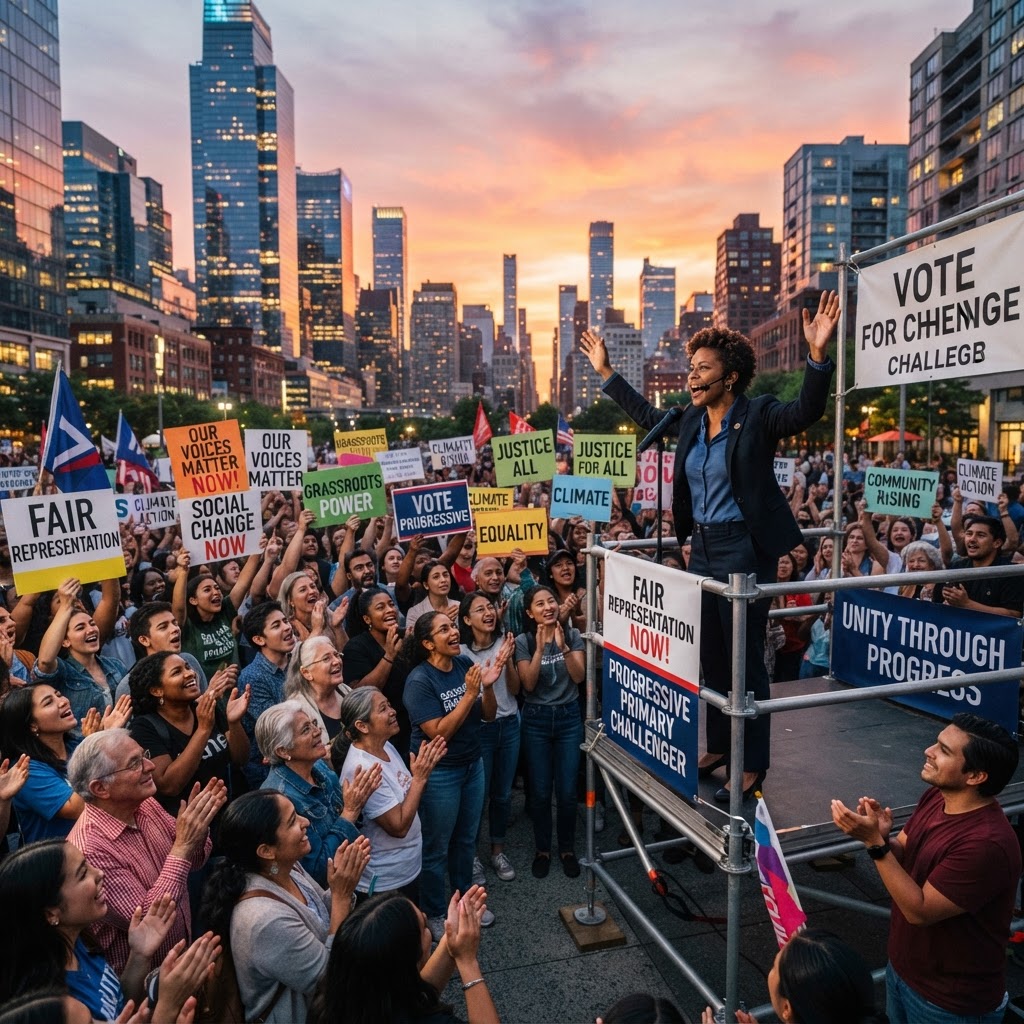
Discover how the progressive primary insurgency is reshaping American politics, challenging incumbents with grassroots strategies that rally community support and mobilize new energies.
Talking Points:
A decade ago, the idea of a political insurgency wasn’t just radical; it felt like a pipe dream. And yet, as I look back on the last few election cycles, I’m amazed by what has unfolded. Who would have thought that a 29-year-old labor organizer could unseat a 29-year incumbent? Welcome to the world of progressive primary challenges!
The movement is alive, and it’s challenging the very foundations of the Democratic establishment.
This isn’t just about candidates—it’s about a collective refusal to accept the status quo. It’s about turning what used to be a political formality into a battleground for change.
Talking Points:
It’s often said that incumbents are practically invincible, wrapped in the cozy blanket of safety that comes with their longstanding seats. Sure, they have name recognition and networks plastered throughout the establishment. But underestimating grassroots movements in so-called safe districts? That’s where they make their biggest blunders.
When voters see the same name on the ballot year after year, a sense of complacency settles in. But, look closer! That complacency can turn into frustration when voters feel unheard. Effective progressive challengers tap into that anger about economic inequality, systemic injustice, and the pressing demands for reform. By addressing the specific grievances of the communities they aim to serve, they create a narrative far more compelling than any incumbent’s press release.
Talking Points:
The traditional playbook for campaigning is increasingly obsolete. Endless cycles of polling data and focus groups seem laughable when compared to the genuine connection forged by grassroots work.
Why should a well-meaning but out-of-touch consultant dictate the message when the very voters can speak for themselves? Campaign strategies are evolving. Successful candidates use volunteers as canvassers, empowering community members instead of relying solely on paid staff to deliver the message. The Squad’s model of intense local advocacy demonstrates the effectiveness of this mindset.
Most importantly, challengers must genuinely listen. Active engagement isn’t just a trendy tactic; it’s essential for crafting messages that resonate on a personal level.
Talking Points:
In the throes of a campaign, the goal shouldn’t just be to present a better policy. It should be about igniting a sense of urgency. The language of ‘wouldn’t it be nice if…’ has no place in a successful campaign. Challengers must frame their ambitious visions as existential imperatives.
What often gets overlooked is the need for a compelling contrast. Present an incumbent’s failings clearly and boldly! Candidates who draw stark lines between their visions and the status quo capture the imagination of the populace. Remember, a potent narrative not only differentiates challengers but also establishes a loyal base of supporters ready to translate enthusiasm into votes.
Talking Points:
We frequently hear that successful campaigns need experienced managers. True, but in the world of progressive insurgency, the best campaigns often leverage the skills of an expansive network of volunteers, activists, and community leaders.
Instead of relying solely on hierarchies, think of campaigns as collective enterprises. Collaborating with labor organizers, community groups, and activists helps weave a fabric of support that no single campaign manager can replicate. Building community doesn’t rest on some abstract ideals; it’s sharing resources and mobilizing the local community to make a meaningful impact together.
Talking Points:
Let’s talk money. In a world where big money often wins, many fundraisers still underestimate the power of a small-dollar donor base. Don’t get me wrong; I’ve seen firsthand how intimidating super PACs can feel! But remember, this is about relaying a vision—and real grassroots support starts with people investing in candidates they believe in.
From personal experience, candidates that build their fundraising on small-dollar contributions foster a sense of ownership within their supporters. In successful campaigns, these donations aren’t about cash; they signify grassroots empowerment and community involvement.
Talking Points:
In today’s digital age, savvy campaigns leverage technology to enhance outreach while maintaining essential human connections. Reclaiming the voter file—from building meaningful profiles to understanding voter preferences—enables challengers to refine their messaging.
It’s not enough to just collect data; candidates must utilize that data effectively! Mobilizing supporters via targeted outreach allows for personalized messages that resonate—an undeniable advantage when attempting to outmatch the incumbents’ resources. But rather than wholly relying on numbers, remember that true connections matter!
Talking Points:
Let’s address a deceptive myth that floats around primary challengers: they have to moderate their positions to widen their appeal. What a trap!
Remaining steadfast to unwavering principles invigorates campaigns. Engaging voters with bold, meaningful messages is what these grassroots movements thrive on. Insurgents who play it safe risk losing enthusiasm with their base, which is typical in an intraparty primary. The takeaway? Inject passion into your platform and speak directly to the desires and frustrations of that primary electorate!
Talking Points:
Challenging an incumbent isn’t just a cakewalk. Expect initial pushback from the Democratic Party establishment—a well-oiled machine isn’t inclined to let go of its grip easily. Understanding this landscape is crucial for any progressive challenger.
The key here is resilience. How do you respond when pushback comes? Stand resolute and build alliances. When I started my campaign, reaching out to local activists paid off—fostering solidarity over discord made a world of difference. Using their networks not only buffered against the opposition but also amplified the insurgent’s message.
Talking Points:
When crafting narratives, it’s easy to fall into the trap of focusing on personal stories or isolated policy points. But what if, instead, candidates framed their issues as mattering to the community? Servicing that communal ethos fosters an environment where campaigns thrive.
A progressive movement necessitates crafting comprehensive narratives emphasizing binding values—things like equity, justice, and community. When challengers present goals as achievable collective objectives rather than purely individual ambitions, they unite the primary electorate and deepen support.
Talking Points:
You want proof of concept? Look no further than the 2026 Colorado primary, where the bold Melat Kiros made history against a long-standing incumbent. Her success wasn’t merely about fundraising or using a campaign manager; it was about connecting values and responding to a collective community need! Stories like hers must become the playbook for progressive candidates.
Similarly, recent victories in NYC’s Districts highlight the importance of localized messaging, strong volunteer bases, and echoing sentiments from labor organizers. Themes like these serve as a springboard, equipping future candidates to think strategically about their own paths.
Talking Points:
I’ve watched insurgent candidates spark movements that echo through our political landscape. Going forward, understanding that challenging incumbents is a long-term strategy reshapes how we perceive progressive political engagements. Realignment with grassroots organizations isn’t just about winning elections; it’s about reshaping the dialogue around our collective future.
In a political climate where the establishment enjoys a disproportionate amount of sway, your voice as a voter matters more than ever. Engage with your community! Share your experiences or thoughts about political challenges in the comments below.
Q1: What defines a progressive primary challenger?
A progressive primary challenger typically advocates for systemic political reform, economic populism, and addressing local grievances organically rather than exclusively relying on conventional party lines.
Q2: How can grassroots movements effectively mobilize support?
Grassroots movements effectively mobilize support by leveraging small-dollar fundraising, community events, and establishing authentic connections with local constituents, encouraging active engagement on issues that matter to voters.
Q3: Why is reframing the narrative crucial for progressive candidates?
Reframing the narrative allows progressive candidates to ground their messaging in collective values, making their goals resonate more deeply with the primary electorate and fostering meaningful connections within communities.
Q4: How does local activism impact primary challenges?
Local activism plays a vital role in primary challenges by helping candidates identify and articulate community-specific grievances, thus energizing voter bases and driving grassroots mobilization.
Q5: What role do small-dollar donors play in progressive campaigns?
Small-dollar donors are crucial for progressive campaigns as they empower candidates financially while creating a more engaged and invested electorate that feels ownership over the political process.