






Newsletter Subscribe
Join thousands of readers who get our Sunday Briefing: one email, five essential stories, zero fluff. Subscribe NOW!

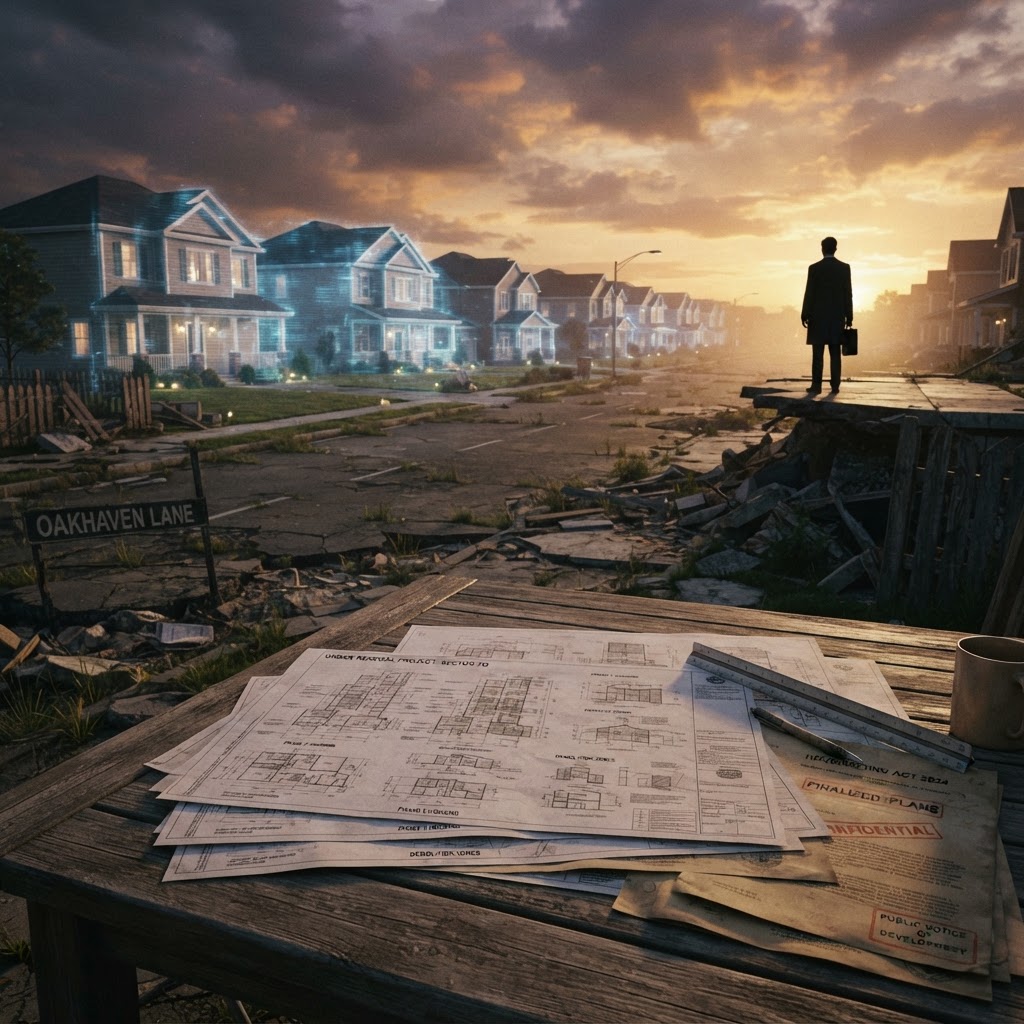
A candid look at the 21st Century ROAD to Housing Act, analyzing the cynical political maneuvers and the actual impact on the housing affordability crisis.
Talking Points:
* The theater of political inaction.
* Record high home prices hitting $440,600.
* Why the system keeps failing.
I remember watching a young couple walk away from an open house last year, their shoulders slumped under the weight of a bidding war they had no hope of winning. That scene is playing out across the country as the median sales price of existing homes hit a painful $440,600 in June 2026. We are stuck in a housing crisis that feels more like a staged play than a genuine emergency. Washington talks, the numbers climb, and real people get left behind.
Talking Points:
* The 85-5 Senate vote breakdown.
* Streamlining environmental reviews.
* Competitive grants for builders.
When the 21st Century ROAD to Housing Act passed with an overwhelming 85-5 Senate vote, people expected a miracle. They promised to fix supply-side constraints by slashing the red tape on environmental reviews and speeding up urban development permits. It sounds great on paper, but we have heard these promises before. I have sat through enough town halls to know that passing a bill is not the same as building a house.
Talking Points:
* The July 11, 2026, standoff.
* Why the SAVE America Act matters.
* Labeling a crisis a yawn.
Watching the president refuse to sign the housing bill was a masterclass in political theater. He called it a big yawn, prioritizing his obsession with voter ID laws over the roof over our heads. This isn’t just about a signature. It is about a leader refusing to engage with the reality of families losing their footing in the market.
Talking Points:
* The 350-home ownership threshold.
* Build-to-rent project loopholes.
* Why big money still wins.
We finally have a ban on institutional investors snapping up single-family homes if they already hold 350 properties. On the surface, this looks like a win for the little guy. But look closer at those loopholes for build-to-rent projects. The biggest players in the real estate investment strategy game will just shift their tactics, leaving families to battle for the scraps left behind.
Talking Points:
* Removing the permanent chassis rule.
* The dangers of lowering safety bars.
* Bureaucracy vs. real housing costs.
HUD decided that removing the permanent chassis requirement for manufactured homes would save money. Sure, it might lower production costs for a moment. But what happens when that quality drop hits the resale market? We are tinkering at the edges while the structural foundation of the housing market continues to crack.
Talking Points:
* A 10 million home shortage.
* Dismissing the rent burden crisis.
* Administrative inaction vs. supply.
White House economists admitted to a 10 million home shortage, yet the administration treats housing like an afterthought. That rent burden is crushing the working class while they argue over optics. I have spent decades watching officials pretend that minor policy tweaks will fix a systemic collapse. It is exhausting.
Talking Points:
* Zoning deregulation promises.
* The delay in supply impacts.
* Local power vs. federal mandates.
Everyone loves talking about zoning deregulation as the magic bullet. If only it were that simple. We need land, we need labor, and we need a market that isn’t purely driven by profit margins for developers. Zoning reform is a decade-long grind, not a quick fix for this month’s rent check.
Talking Points:
* The silent labor shortage crisis.
* Rising insurance premiums for homes.
* Wage stagnation vs. price inflation.
We are ignoring the elephant in the room: the people who actually build the houses are disappearing. Labor shortages make every project cost more. Add in insurance hikes that make mortgage payments unmanageable, and it becomes clear why this bill falls short. We are trying to patch a boat with duct tape while the hull is shredded.
Talking Points:
* Developers who profit from speed.
* Institutional players finding workarounds.
* The average renter left waiting.
Look at who lobbies for these changes. The winners are usually the ones who stand to gain from land valuation shifts and lower construction oversight. The losers are the ones holding the mortgage-backed securities or trying to save for a down payment. The game is rigged by design, not by accident.
Talking Points:
* Demanding real, long-term answers.
* Moving past political grandstanding.
* Your role in local change.
We need to stop waiting for Washington to save us. Real change starts with looking at your own community and pushing for transparency in development. Don’t fall for the noise. Keep questioning the policy, demand better from your local reps, and tell me in the comments how your own housing search has gone lately. Let’s get real about what works.
1. Question: Did President Trump veto the housing act?
Answer: No, he allowed the legislation to become law without his signature after a protest over the SAVE America Act.
2. Question: How many homes are institutional investors restricted from owning under the new law?
Answer: The law impacts large institutional investors who control 350 or more single-family homes, though exceptions exist for specific build-to-rent models.
3. Question: What is the estimated housing shortage in the U.S. currently?
Answer: White House economists reported a national shortfall of 10 million homes as of 2026.
4. Question: Does the new law remove all requirements for manufactured homes?
Answer: It specifically removes the federal requirement for a permanent chassis to reduce costs, though safety and design standards still apply.
5. Question: Why is the housing market still struggling after the 21st Century ROAD to Housing Act?
Answer: The law addresses some regulatory hurdles, but it fails to resolve larger issues like labor shortages, wage stagnation, and skyrocketing insurance costs.