






Newsletter Subscribe
Join thousands of readers who get our Sunday Briefing: one email, five essential stories, zero fluff. Subscribe NOW!


Exploring the illusion surrounding social justice, this article scrutinizes recent developments like civil rights violations, systemic inequality, and institutional racism to reveal the stark truths often masked in public discourse.
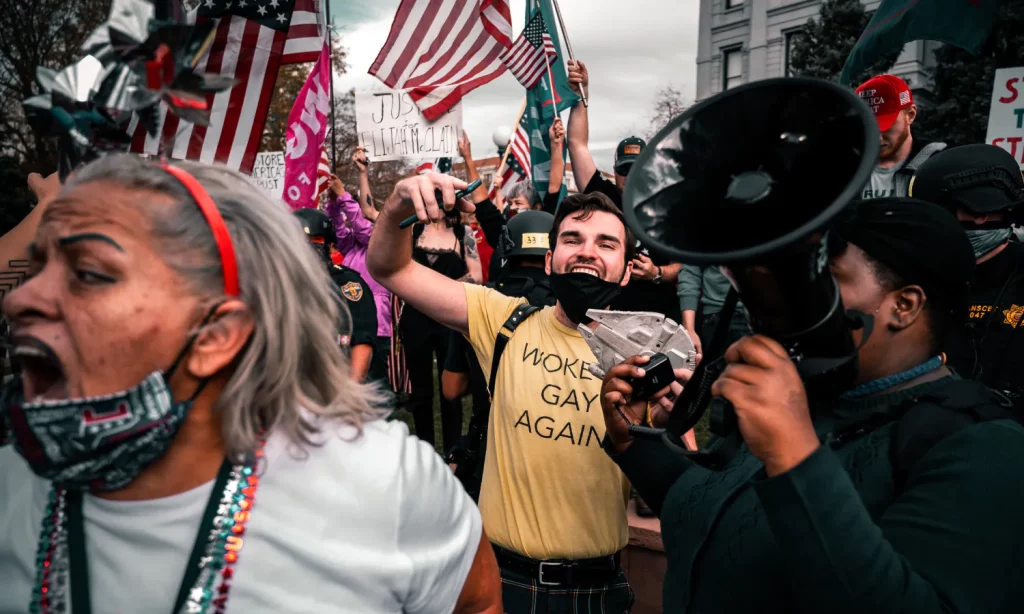
Things aren’t always what they seem. Just look around: political rallies, social media hashtags, and an overwhelming chorus of outrage. But here’s the kicker: are we truly moving toward a just society, or are we simply rearranging the deck chairs on the Titanic? I’ve walked through the crowded streets of protests, exuberant with hope and the possibility of change, only to return home and notice the same structural injustices thriving around me. The conversation surrounding social justice is loud, bold, and at times, filled with hypocrisy.
Social justice news, as saturated as it is, often masks the uncomfortable truths lying beneath the surface. Behind every shiny hashtag and rallying cry, systemic issues linger—cancerous, unaddressed. And the recent developments surrounding civil rights, systemic inequality, and institutional racism are a testament to this troubling reality. The narrative spun around social justice often becomes an illusion, a veil over which we shield our eyes from the stark truths of economic disparity, healthcare access, and inequality in education. These are issues needing our utmost attention before the veil is torn away, revealing the chaos lurking just out of sight.
Talking Points:
In 2025, the National Urban League declared a state of emergency for civil rights in the U.S., highlighting alarming trends regarding antidiscrimination policies, personal freedoms, and the economic advancement of Black Americans. This wasn’t just a dramatic headline; it resonated with those of us watching as marginalized communities continue to face discrimination, both overt and subtle. After all, civil rights violations have waxed and waned, yet the rate of progress is slower than a tortoise on a leisurely stroll.
The patina of freedom appears worn and frayed, exposing the realities that many would rather ignore. Everyday individuals are increasingly caught in the crossfire of policy decisions that often overlook basic human rights. Whether it’s the threat to voting rights, police misconduct, or unequal opportunities for employment, these civil rights abuses are a step back in a struggle that has taken generations to advance. The question is: how did we let it get this far?
Talking Points:
Ah, systemic inequality—the term that has become a staple in social justice discussions. But let’s get real. It’s not just buzzwords thrown around at dinner parties. It’s lived experience—the kind that feels like a heavy weight on your chest, making it difficult to breathe. Institutional racism is not just a relic of the past; it’s alive and kicking, finding new ways to manifest in our everyday lives.
Statistics show that communities of color remain disproportionately affected by wealth inequality. According to research, a Black family typically holds only a fraction of the wealth of a white family, and that disparity lingers, affecting everything from housing to employment opportunities. And while some leaders wax poetic about equality during election season, the reality is most policies designed to promote equity are riddled with loopholes, leaving marginalized communities to fend for themselves in an already rigged game. These are the truths we need to face if we’re ever to dismantle the deep-seated systems of oppression that grip our society.
Talking Points:
Police reform: a hot-button issue that often captures our collective ire. But let’s unpack this a bit. Over the last few years, we’ve seen numerous attempts at reform—the kind that looks good on paper but falters when it comes to execution. Current measures often feel like putting a Band-Aid on a gaping wound. The police continue to wield unchallenged power, and the reforms promised to deliver transparency and accountability have done little in practice.
The reality on the ground hasn’t changed much. Reports show that communities still face discrimination at the hands of those sworn to protect them. Statistics detailing chokeholds, racial profiling, and excessive force tell a story of a system in crisis. We celebrate minor victories in policy changes while the underlying culture within police departments remains stagnant. If police reform is a game, it’s one rigged from the start.
Talking Points:
Wealth inequality has surged to levels not seen since the Great Depression. And while much of the population struggles to make ends meet, a small percentage holds the vast majority of resources. Celebrated millionaires often disguise economic disparity as a mere side effect of capitalism, but that perspective doesn’t account for the realities faced daily by the majority of Americans.
The statistics are dizzying: while the top 1% has seen its wealth multiply, the median household income for working-class families stagnates, peeling back layers of economic advancement like an onion. This economic disparity causes rifts not only in opportunity but also impacts health, education, and fundamentally the fabric of our society. Activists cry out for action, but meaningful policy reform often stalls, caught in the quagmire of partisan politics. The harsh truth? The conversations tend to happen, but transformation seldom follows.
Talking Points:
Let’s talk about the education system. It should be the great equalizer, yet treat it like a road trip with a flat tire—slow and painful. The quality of education you receive often depends on where you live, a reality that results in glaring disparities between affluent and marginalized communities.
Schools in underfunded districts often lack basic resources, while others boast access to cutting-edge technology and experienced educators. This isn’t just an operational hiccup; it’s a fundamental injustice that perpetuates a cycle of poverty and privilege. The fixation on standardized testing and punitive measures further exacerbates the situation, particularly for students already facing systemic challenges.
Yet activists and community leaders are pushing back, demanding change and seeking ways to empower their neighborhoods. Still, the efforts feel like swimming upstream against a powerful current—the question remains, why hasn’t the tide turned? The public can attend the meetings, hold the signs, but without adequate funding and policy reform, we’ll continue to witness generations of inequity.
Talking Points:
Healthcare access is another pie in the sky that often eludes many Americans, particularly those in marginalized communities. The rhetoric of universal care needs to penetrate deeper than political speeches. If we turn a blind eye even for a moment, we can see the disparities laid bare: people without insurance, communities served by under-resourced clinics, and a lack of preventive care.
While policy changes promise to improve access, they often fall short where it matters most. The barrier to healthcare is not just financial—historical context shines a light on institutional racism in medical treatment. People of color frequently face mistrust within the healthcare system, leading to worse health outcomes and continued marginalization. So, one wonders—who benefits from the policies created under the guise of healthcare reform?
Talking Points:
We need to talk about activism now. Gone are the days when a single voice lifted in protest was merely a solitary shout. The power of community organizing has come to the forefront, proving that together we can challenge the status quo. Activists today battle against entrenched forces, demanding accountability from those in power—all while navigating the complexities of social media and public perception.
There have been significant victories in recent years, thanks to grassroots movements mobilizing to fight for justice. From local protests demanding police accountability to advocacy for educational equity, the voices of the people are rising. However, the barriers activists face today include harassment, misinformation, and disillusionment among potential allies. It’s vital that we continue to support these movements, as they shine a necessary spotlight on critical issues in our society.
Talking Points:
Reparations—a term that sparks intense debate. Some view it as a necessary step towards rectifying historical wrongs, while others regard it as a political maneuver designed to placate demands for justice without delivering. The complexity of this topic often leaves us polarized, but it begs significant questions about how we reconcile our past.
The discussions around reparations have gained momentum, driven by the ongoing fight for racial justice. Many activists argue for comprehensive reparative policies, highlighting the historical injustices and systemic disadvantages faced by communities of color. On the other hand, skeptics often trot out phrases like “personal responsibility” and “meritocracy”—interesting when examined in the light of systemic barriers still very much in play.
Yet, restorative justice provides another avenue. Some communities pursuing reparative initiatives exhibit incredible resilience and creativity, working to forge new paths toward accountability and healing. Their journeys inspire hope in battling the heavier narratives surrounding reparations.
Talking Points:
Intersectionality adds another layer to our ongoing discussions about social justice. At its core, it captures the multifaceted nature of oppression, revealing how various identities interact to create unique experiences of discrimination. Until we grasp intersectionality, we can’t address systemic inequalities adequately.
For example, a Black woman may face discrimination not just because of her race but also due to her gender. Just as we begin to understand one aspect of oppression, another layer reveals itself, often folding into societal shortcomings and complicating advocacy efforts. Activists call out the importance of intersectional approaches, advocating for policies that reflect the nuanced realities many face.
So, here’s a thought for us: to truly move forward, we must acknowledge that individual experiences of oppression are not separate. They’re woven together, and thus, solutions must be, too.
As we sift through the noise surrounding social justice, it becomes painfully clear that merely discussing these issues is no longer enough. The ugly truths about civil rights violations, systemic inequality, and institutional racism must compel us to act decisively. Hang on to this view; it’s essential. We can’t drop the ball now!
To create genuine social change, we must tackle these injustices head-on, not just by sharing opinions but by demanding accountability from leaders and institutions. Change often begins with small steps: having tough conversations, amplifying marginalized voices, and remaining steadfast in our pursuit of truth. Let’s get involved—share your experiences or insights in the comments below. Because when we unite for justice, we might just be able to overcome this mirage.
The National Urban League declared a state of emergency due to rising civil rights violations, particularly affecting marginalized communities. This declaration reflects deep-seated concerns about discrimination and personal freedoms under current sociopolitical climates.
Systemic inequalities impede access to resources such as timely healthcare, quality education, and economic opportunities. These barriers perpetuate cycles of poverty and limit chances for upward mobility, creating a broader impact on societal stability.
Police reform initiatives have often included body cameras and community oversight boards, which may seem progressive but frequently lack real accountability measures. In many cases, these reforms operate without addressing the underlying culture of policing that leads to misconduct.
Reparations are increasingly discussed within movements advocating for racial justice. Proponents argue for policies that address historical injustices faced by communities of color. However, the topic remains contentious, with various interpretations regarding what reparations should entail.
Intersectionality is crucial in understanding the complexities of oppression. It highlights how various social identities—such as race, gender, and class—interact to shape individual experiences. Inclusive advocacy recognizes these nuances, striving for more effective and equitable solutions.