







Newsletter Subscribe
Join thousands of readers who get our Sunday Briefing: one email, five essential stories, zero fluff. Subscribe NOW!

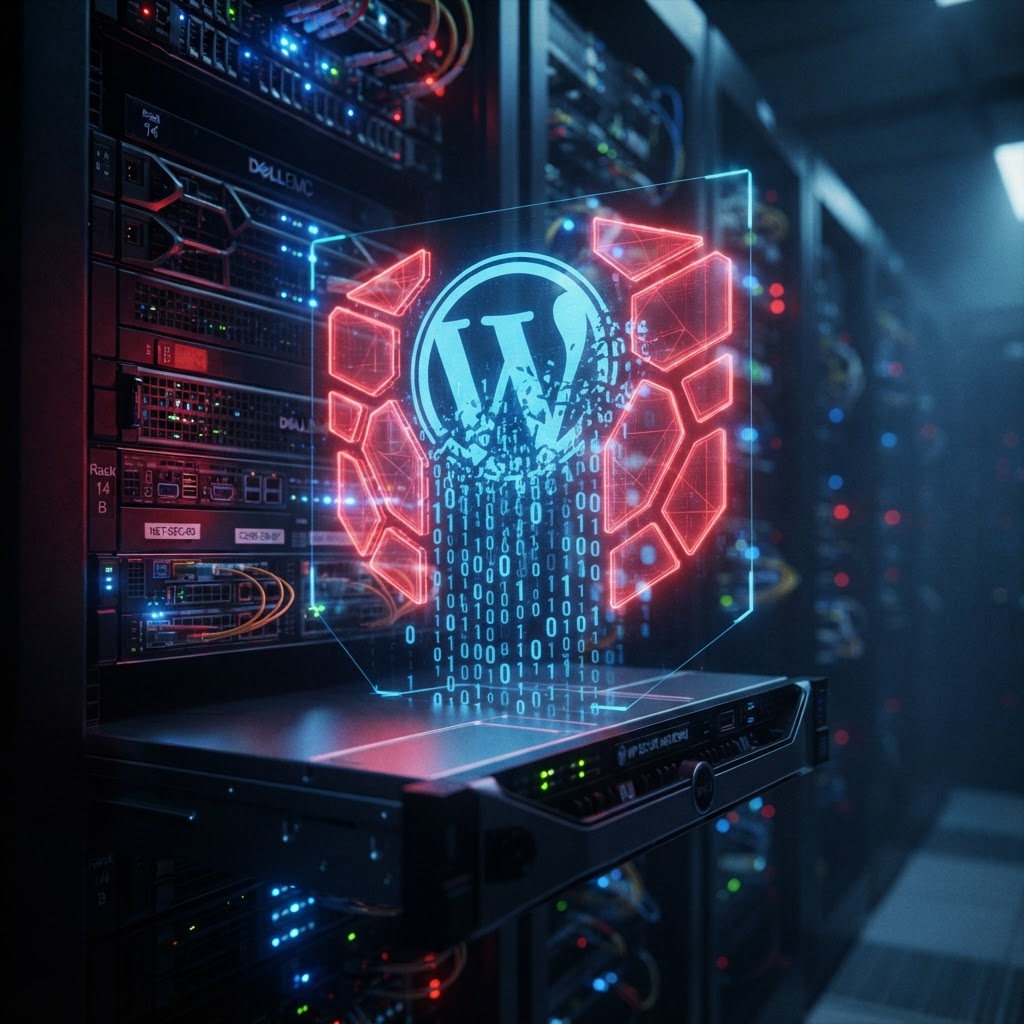
Headless WordPress is not inherently secure. Stop pretending your decoupled architecture is untouchable and learn how to actually harden your API endpoints.
Nearly 8,000 security flaws hit the WordPress ecosystem last year. That is 22 new ways for someone to break your site every single day. If you think decoupling your frontend makes you invisible to these threats, you are delusional. I see developers constantly patting themselves on the back for switching to a headless setup, thinking they have somehow transcended the chaos of the web. You haven’t. You have just changed where the doors are located.
Talking Points:
* Why decoupling fails to hide your backend vulnerabilities.
* The persistent danger of ignoring core WordPress security.
* Debunking the myth that frontend removal equals safety.
Moving your presentation layer to React or Vue does nothing to address the 99% of vulnerabilities hiding in your plugins. WordPress core isn’t the problem; it’s the ecosystem of “convenient” tools you keep bolting onto your site. When you go headless, the site becomes a giant API factory. If that factory has a broken lock, it doesn’t matter what the building looks like from the street. You are still vulnerable to the same old exploits, just delivered through JSON instead of HTML. Stop assuming silence is security.
Talking Points:
* Understanding the persistence of server-side threats.
* How automated scripts hunt for headless endpoints.
* The danger of treating headless as an automatic firewall.
I remember back in 2012, people thought putting a site behind a basic cloud proxy meant they were untouchable. They were wrong then, and you are wrong now. WordPress still needs a database, a PHP environment, and a thousand lines of third-party code. Those things don’t disappear just because you aren’t rendering them with a theme.
Attackers don’t care how you serve your content. They care about your data. If they can hit your REST API with a malicious payload, they get exactly what they want. WordPress security hardening for headless sites isn’t an optional upgrade. It is the price of admission. If you aren’t doing the work, you are just waiting for the inevitable breach.
Talking Points:
* How default API settings leak sensitive data.
* Why user enumeration is a massive liability.
* Controlling endpoint access to limit exposure.
Your REST API is a treasure map for anyone looking to cause trouble. By default, it tells the world exactly who your users are, what your posts contain, and which plugins you use. It is like leaving your diary open on the sidewalk. I once watched an automated bot map an entire custom site’s user database in four seconds because the developer left the default API endpoints wide open.
Securing WordPress REST API isn’t just about turning things off. It is about being ruthless. You need to identify every endpoint your frontend actually uses and block the rest. If your mobile app doesn’t need to see author emails, kill that path. Leaving extra doors open is lazy engineering, and in this industry, laziness gets you hacked.
Talking Points:
* The risks of standard WordPress authentication methods.
* Implementing JSON Web Tokens as a secure standard.
* Why 68% of API vulnerabilities involve auth failures.
If you are still using basic authentication, you might as well hand out your keys at the front door. We know that nearly 70% of API issues stem from sloppy authentication handling. You have to move toward token-based systems. JWT authentication for headless WordPress is the industry standard for a reason. It is not perfect, but it is a hell of a lot better than sending credentials in plain text.
Authentication bypass is the most common way hackers gain control. Stop relying on default WordPress login screens for your backend management. If you aren’t using an isolated, secure way to verify requests, you have already lost the battle. Force your users to authenticate through a dedicated, hardened service that doesn’t care about your WordPress login session.
Talking Points:
* Adopting a zero-trust architecture for your backend.
* Using IP allowlisting to block unauthorized requests.
* Why you should never trust incoming API traffic.
Zero-trust architecture is a fancy term for “assume everyone is a criminal.” It is the only mindset that works. If an incoming request hasn’t been explicitly cleared to touch your endpoint, throw it away. I set up my servers to reject anything that doesn’t come from a verified source.
This is basic security. If your backend is only for your production app, why are you letting the rest of the world ping it? Use firewalls to restrict traffic to known IP addresses. If you make it harder for the bad guys to even find your door, they usually move on to the next, easier victim.
Talking Points:
* The role of CDNs in mitigating DDoS attacks.
* Protecting the origin server from direct requests.
* Why plugin security is your personal responsibility.
Infrastructure vulnerability is real, but people ignore it. They think they can fix everything with a few lines of PHP in their `functions.php` file. You need a defense-in-depth approach. Use a content delivery network to filter out the noise before it hits your server.
Mitigating DDoS attacks on headless WordPress requires edge-level filtering. If you don’t have rate limiting enabled at the CDN level, a script-kiddie can take your site offline for lunch money. Don’t trust your host to do this for you. Check your configuration yourself.
Talking Points:
* Defining mass assignment and why it destroys data integrity.
* How attackers inject fields you didn’t expect.
* Practical validation checks for every incoming JSON payload.
Mass assignment is a sneaky way to compromise your data. It happens when an API blindly accepts whatever fields a user sends. If I send an extra bit of JSON that changes my user role to ‘administrator’ and your API accepts it without checking, I own your site.
This is a classic failure of input validation. Never trust that a request only contains the fields you expect. Always whitelist the data allowed in any update call. If it isn’t on the list, drop it immediately.
Talking Points:
* Why hiding your API doesn’t stop automated scanners.
* Moving away from predictable path structures.
* The dangers of relying on hidden endpoints for safety.
Everyone thinks they are clever by renaming their API endpoints. They think if they change `/wp-json/` to `/api/v1/`, the hackers will be confused. It takes a bot two seconds to figure out what your API structure is. You aren’t smart; you are just annoying the people who have to maintain the code later.
Obscurity is not a strategy. It is a delay tactic that works on idiots. Do not waste your time trying to hide things. Spend that time actually securing your permissions. Real security is visible to anyone who looks; it just happens to be bulletproof.
Talking Points:
* Setting up alerts for suspicious endpoint activity.
* Why you need real-time logs for API traffic.
* Using forensic data to identify patterns of attack.
If you aren’t logging your API requests, you have no idea if you have been compromised. I check my logs every morning with my coffee. It is the only way to catch an ongoing attack before it turns into a disaster.
Look for repetitive requests, strange payloads, or unauthorized attempts to access sensitive endpoints. If your logs are quiet, you probably aren’t looking hard enough. Security is an active process, not a “set it and forget it” feature.
Talking Points:
* Managing the risks of thousands of plugin lines.
* The importance of regular dependency audits.
* Removing dead weight from your WordPress instance.
Your site is only as secure as the worst-written plugin you have installed. Most of the time, that is a plugin that hasn’t been updated since 2018. If you don’t need a plugin, delete it. If you aren’t using a theme feature, rip it out.
I audit my dependencies every single month. If a library has a known vulnerability, it goes. You cannot afford to carry technical debt that doubles as a security backdoor. Keep your site lean, clean, and mean.
Stop pretending that your headless setup is a magic shield. It isn’t. WordPress security hardening for headless sites is about being diligent, removing the garbage you don’t need, and locking down your API until it screams for mercy. It is a process of constant iteration and zero-trust engineering.
Stop tinkering with hacks and start building actual defenses that survive real-world testing. Take the steps to lock down your endpoints today. Do you have a story about a breach you survived or a security measure that actually worked? Let me know in the comments below.
* Is headless WordPress safer than a standard site? Not inherently. It just shifts the attack surface to the API, which requires a completely different set of security protocols to prevent data exfiltration.
* Does the WordPress REST API need to be active for headless? Most headless builds rely on it, but you should disable any endpoints you do not explicitly use to minimize your exposure to attackers.
* Can I use standard security plugins on a headless site? You can, but many are designed for standard frontend rendering and might not protect your API effectively. Focus on server-level and API-specific protections instead.
* What is the most effective way to prevent brute-force attacks on a headless site? Implementing rate limiting at your CDN or server level is the most effective defense, as it stops requests before they ever hit your WordPress backend.
* Should I keep my admin dashboard accessible? No, you should restrict access to your WordPress admin panel by IP or VPN and keep the backend entirely hidden from the public internet.