







Newsletter Subscribe
Join thousands of readers who get our Sunday Briefing: one email, five essential stories, zero fluff. Subscribe NOW!

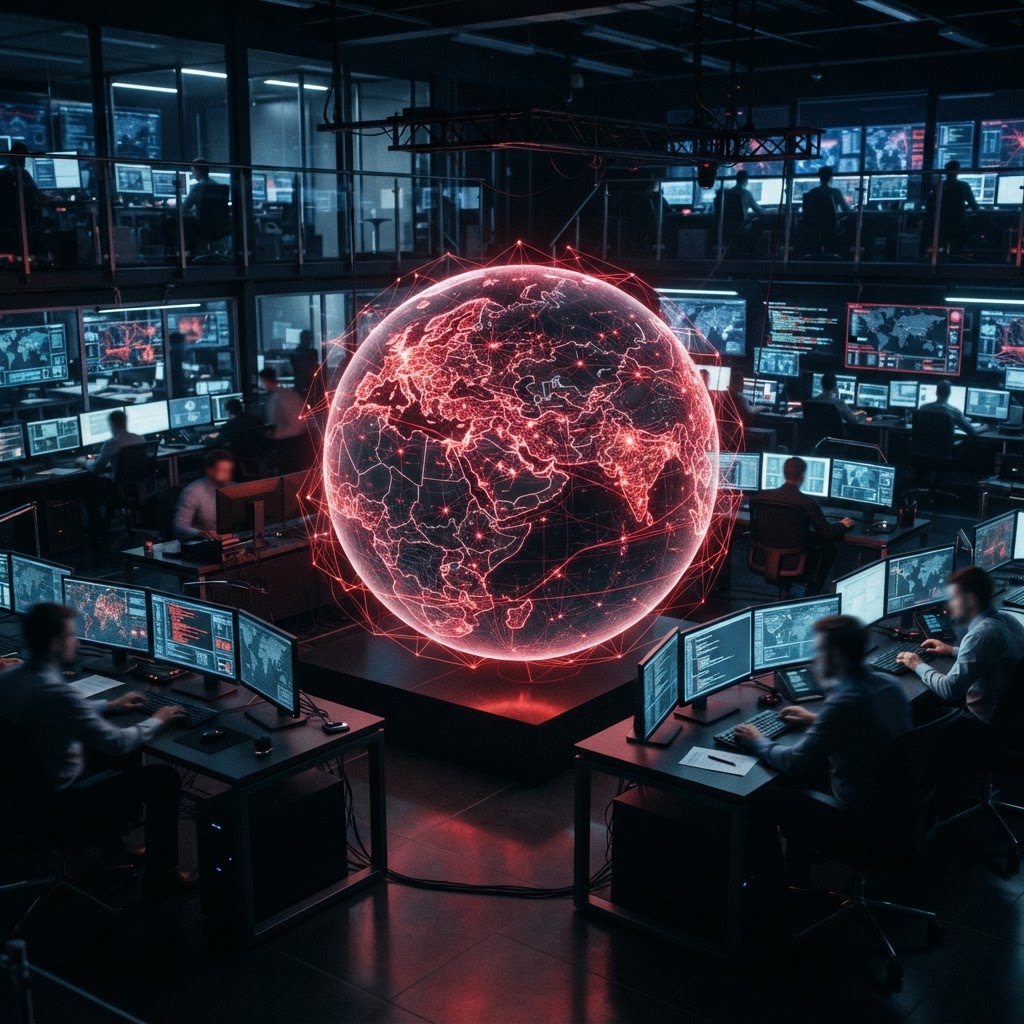
A cold-eyed look at the mechanics of election interference, from cognitive warfare and AI-generated disinformation to the domestic exploitation of political divides.
Talking Points:
* The constant noise of political theater.
* Distinguishing reality from performative outrage.
* Why we must look past the headlines.
I remember staring at my screen during the 2016 cycle, watching people lose their minds over every tweet and headline. It felt like watching a car crash in slow motion. We are obsessed with the drama of the campaign trail. Most of this noise hides the actual mechanics of how trust decays. I have spent decades watching these patterns repeat. It never gets less exhausting.
Talking Points:
* Foreign influence as soft persuasion.
* Illegal acts of subversion.
* The importance of legal definitions.
People mix these terms up constantly. Foreign influence is just propaganda with a budget. It is legal. It involves swaying opinions via media or public relations. Election interference is different. It means breaking the law to mess with the count or infrastructure. Think hacking databases or bribing officials. One is a loud debate. The other is a crime. We need to stop conflating the two.
Talking Points:
* Old methods like vote buying.
* Transition to psychological manipulation.
* Why cognitive warfare is effective.
We used to worry about someone stuffing a ballot box in a back room. That is child’s play now. Modern actors prefer fimi and troll farms. They target your brain. They want you to doubt your neighbor. This is cognitive warfare at its finest. They do not need to steal a vote if they can make you stay home. It is cheaper and way more effective.
Talking Points:
* How platforms prioritize engagement.
* Why divisiveness is profitable.
* The breakdown of shared reality.
Social media algorithms have one goal. They want your time. Rage sells better than peace. If you see something that makes you angry, you click. That is the entire business model. This constant exposure to adversarial narratives destroys our common ground. We are living in separate information ecosystems now. It feels intentional, even if it is just greed.
Talking Points:
* CISA guidelines on system security.
* The limits of digital threats.
* Why paper remains the gold standard.
I get a headache every time someone claims their vote was digitally deleted. CISA has been clear for years. There is no evidence of widespread vote loss from hacking. Hardware vulnerabilities are real. That does not mean they are used to flip results. Stick to paper ballots if you want peace of mind. It is harder to hack a piece of paper.
Talking Points:
* AI as the new instability baseline.
* Deepfakes and synthetic audio.
* How machines accelerate distrust.
Generative AI is a nasty tool for bad actors. You can make a convincing video of a candidate saying anything. It is the new baseline for political cycles. Everything is a deepfake until proven otherwise. This puts a massive burden on the voter. We have to verify everything we see. I hate that it has come to this. It is a cynical reality for a cynical time.
Talking Points:
* Domestic laundering of foreign ideas.
* Polarization as a vulnerability.
* How we invite interference.
Foreign agents do not have to work hard here. We do the heavy lifting for them. Domestic actors grab foreign narratives and push them into our media. It gives the junk legitimacy. We are so polarized that we will swallow any lie if it hurts our political rivals. That is how you break a democracy. You just wait for it to break itself.
Talking Points:
* The slow pace of government.
* Why laws rarely fix tech problems.
* Digital sovereignty challenges.
Passing a law takes forever. Technology changes in a week. By the time a bill hits the floor, the threat has moved on. We rely on foreign agent registration to keep things clean. It does not stop the flow of bad information. Policies always lag behind the actual pace of disruption. It is like trying to stop a flood with a screen door.
Talking Points:
* Who profits from election doubt.
* Weaponizing interference claims.
* Political gain from national fear.
There is a lot of money in saying the system is broken. Domestic politicians love to scream about interference. It gives them an excuse if they lose. They are not protecting democracy. They are protecting their own egos. It is a scam designed to keep the base angry. I have no patience for those who use these fears for personal power.
Talking Points:
* Thinking critically as a defense.
* Staying informed without falling for traps.
* Taking personal responsibility.
We are in a long game. The information war will not end tomorrow. You have to sharpen your own internal filter. Check your sources. Question your own biases. Do not let yourself be a pawn in someone else’s strategy. Real integrity in our electoral processes starts with the individual. It is time to get serious. If you have tips on staying sane while reading the news, drop them in the comments below. Let us stop the rot together.