





Newsletter Subscribe
Join thousands of readers who get our Sunday Briefing: one email, five essential stories, zero fluff. Subscribe NOW!

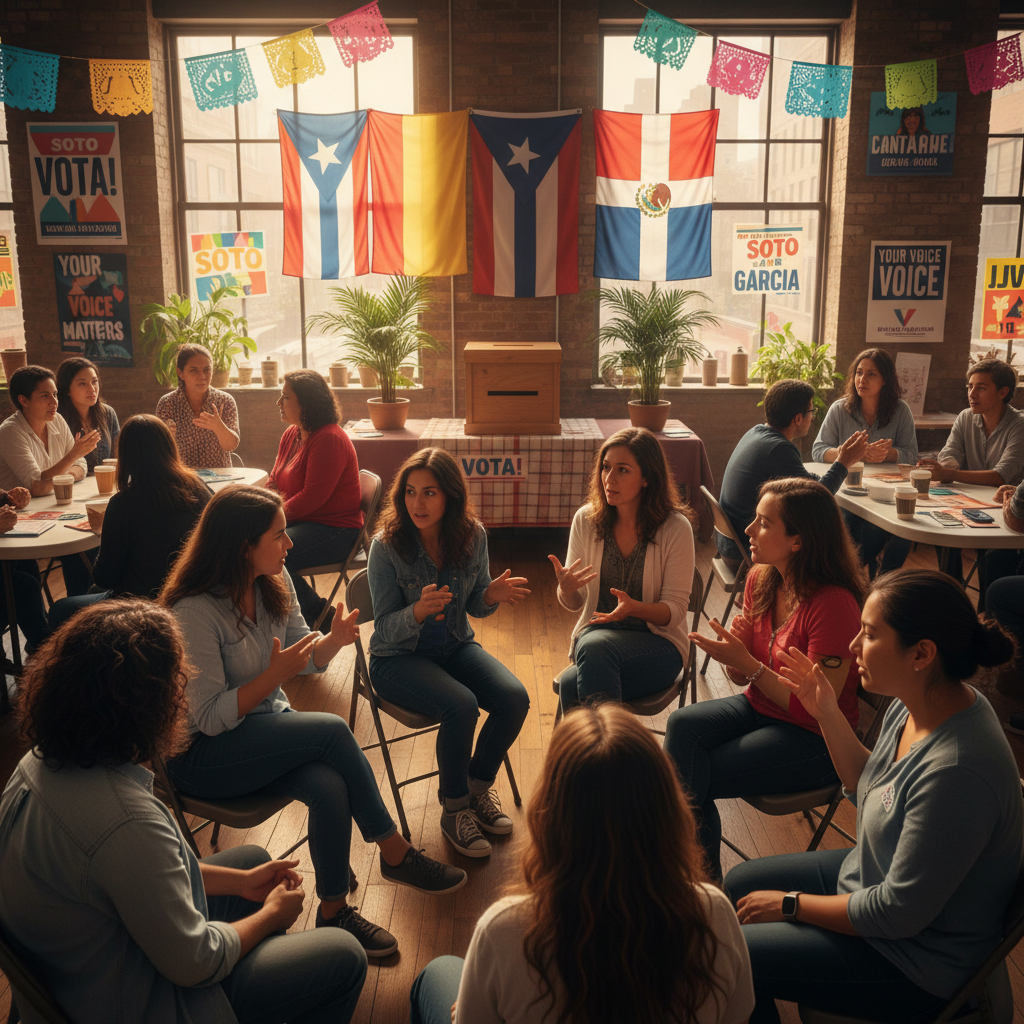
In the lead-up to the 2026 midterms, Latino voters are set to wield significant influence, with 75% expected to vote. This article explores the intricacies of their emerging power and the key issues that shape their decisions, while tackling misinformation and political alienation.
As the 2026 midterm elections approach, a staggering statistic comes to light: 75% of registered Latino voters intend to cast their ballots. Think about that for a second! This group is not just a voting bloc; it’s a force to be reckoned with. Yet, amidst this enthusiasm, there’s a palpable sense of disillusionment among Latino communities that merits a close examination. How did we arrive at this point? What’s brewing in the hearts and minds of Latino voters across the nation?
Talking Points:
Over the last fifty years, Latino political engagement has undergone a transformation that reflects broader societal shifts. From the Chicano Movement to today’s grassroots initiatives, the quest for representation has intensified. Historical events—from civil rights victories to immigration reform debates—shaped political identities. Yet, despite monumental gains, many Latinos still face systemic challenges that compel their engagement.
Talking Points:
Let’s delve into the nuances of Latino voter demographics. This group isn’t monolithic. With origins spanning across various Latin American countries, each sub-group brings distinct cultural influences and political priorities. Generational differences play a pivotal role, too. For instance, younger voters may prioritize issues like climate change and educational reform, while older generations might focus on immigration and healthcare access. Regional variations are also significant, reflecting the complex tapestry of Latino identity in America.
Talking Points:
As I’ve mulled over conversations with friends and family, one overwhelming theme emerges: economic anxiety. For many Latinos, the cost of living looms large. Issues around job security and housing affordability rank high on their priority list. Those numbers simply can’t be ignored. When nearly 65% of Latino respondents believe it’s a bad time to be Latino in the U.S., it signals a crisis in confidence that politicians must address.
Talking Points:
It’s frustrating to watch how political narratives often sideline Latino voices. Many feel alienated from both major parties. Why? Because neither party truly addresses their needs. The rhetoric around immigration often overshadows economic concerns. This disconnect can breed apathy, which is a dangerous sentiment. When political polarization reaches extremes, it’s the communities in the middle—like many Latino voters—that suffer.
Talking Points:
When I think about where Latino influence is most pronounced, states like Arizona and Texas come to mind. In these areas, Latino voters have stepped into the spotlight, shifting elections. Mikie Sherrill and Abigail Spanberger’s victories in New Jersey and Virginia, where they won 68% and 67% of the Latino vote respectively, illustrate this trend. Local leaders and community organizers play crucial roles in driving turnout, making state-specific issues pivotal in shaping the latino political landscape.
Talking Points:
Media’s impact can’t be overstated. Underrepresentation in mainstream media often skews narratives about Latino communities. The rise of social media platforms, however, offers a new avenue for representation—we’re finally seeing authentic voices emerge. Culturally relevant messages resonate, encouraging engagement on issues that matter. It’s about time that media outlets start connecting instead of just reporting.
Talking Points:
Barriers to participation are real. Voter suppression isn’t just a talking point; it’s a lived reality for many Latinos. Language barriers and limited access to polling places can disenfranchisement. Even misinformation can play a role—think about how easily rumors spread in our connected age. It’s crucial to address these concerns to ensure that every voice is heard.
Talking Points:
If political parties want to capture this vital demographic, they need genuine strategies that resonate. It’s not about pandering; it’s about listening. Parties that can effectively articulate a platform that addresses Latino concerns—like economic justice and immigration reform—stand a fighting chance. When I think about politicians like Kamala Harris, her focus on working for Latino communities has been both strategic and sincere.
As we head toward the 2026 midterms, it’s clear that Latino voters are no longer an afterthought—they’re a crucial force shaping our political landscape. Their concerns must not only be acknowledged but acted upon. I encourage you to think about how these dynamics play a role in your own communities. What experiences do you have with engaging Latino voters? Feel free to share your thoughts in the comments!
Q: Why are Latino voters significant in the 2026 election?
A: Latino voters are anticipated to play a decisive role, with 75% indicating they plan to vote. Their diverse needs and concerns can heavily influence outcomes, especially in key battleground states.
Q: What issues are most important to Latino voters right now?
A: Economic concerns, especially around the cost of living, housing, and job security, top the agenda, with many expressing growing dissatisfaction with their current circumstances.
Q: How have Latino voting patterns changed recently?
A: There’s been a noticeable decline in support for Republicans among Latinos, with polls indicating that dissatisfaction with economic issues is shifting preferences toward Democratic candidates in crucial areas.
Q: How do regional differences affect Latino voter behavior?
A: Latino voters’ concerns can vary greatly by region, with factors like local economic conditions and community leadership influencing turnout and preferences.
Q: What barriers do Latino voters face in participating in elections?
A: Significant barriers include voter suppression tactics, language barriers, and misinformation that can deter engagement and limit awareness of voting procedures.