






Newsletter Subscribe
Join thousands of readers who get our Sunday Briefing: one email, five essential stories, zero fluff. Subscribe NOW!
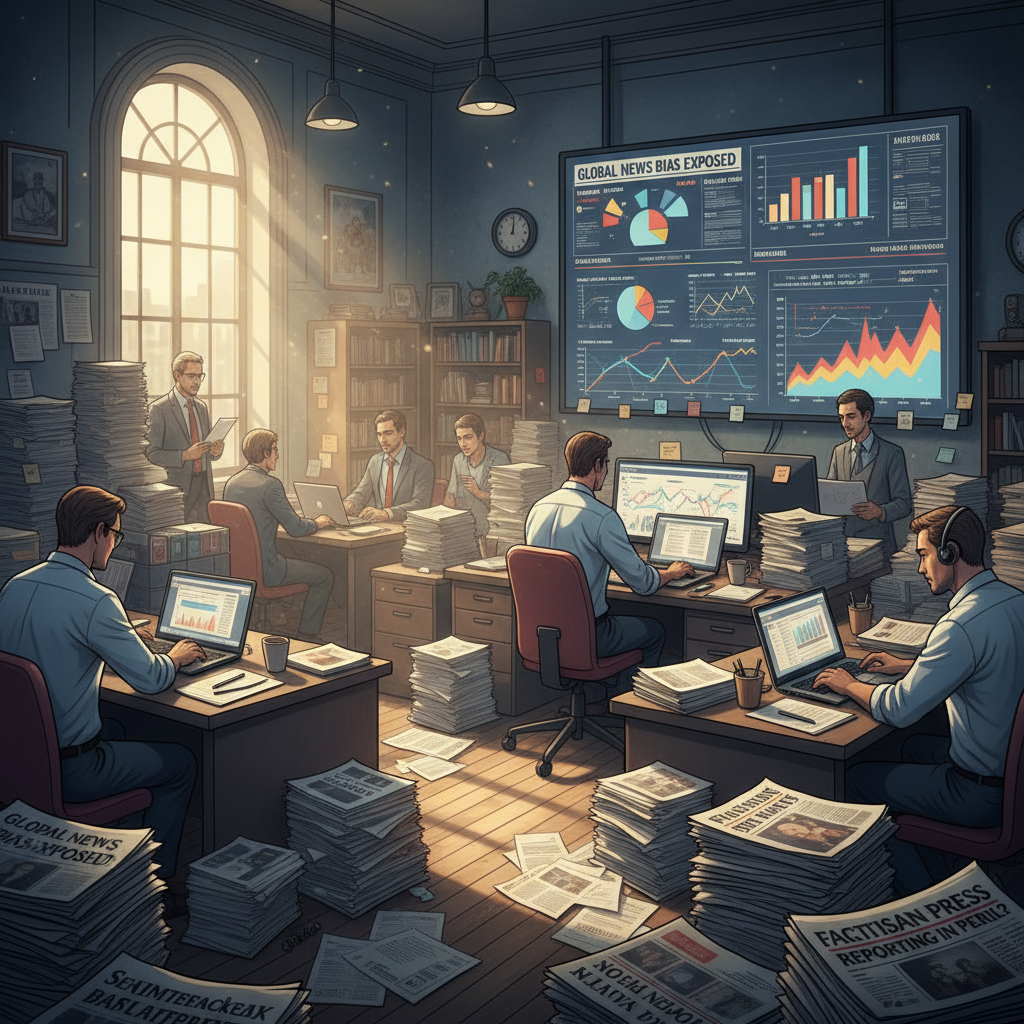
A staggering 73% of Americans believe bias in news reporting is a "major problem." As consumers of news, we are often left feeling frustrated and misled. This article dives deep into the myriad ways media bias manifests, ultimately urging us to embrace media literacy as a tool for navigating an increasingly distorted information landscape.
Oh, believe me when I say that when it comes to news these days, it’s hard not to feel like you’re being sold a story rather than informed about the truth. A staggering 73% of Americans believe bias in news reporting is a “major problem.” If that doesn’t knock you off your chair, I don’t know what will! As consumers of news, we’re often left feeling frustrated and misled. It’s a jungle out there, folks, and the media is anything but neutral.
Talking Points:
Let’s kick this off by breaking down what we really mean by “media bias.” Most of us have heard the term thrown around like confetti at a parade, but it’s seldom clearly defined. Media bias can be understood as the presence of favoritism or prejudice in the reporting of news. It’s when the presentation of the facts bends to fit a specific narrative or agenda, rather than remaining impartial. This isn’t just some new phenomenon; it’s been around for centuries, and it’s time we face the music.
Talking Points:
Historically speaking, media bias has always lurked in the shadows of journalism. Take the late 19th century, for instance. Newspapers owned by titans like William Randolph Hearst and Joseph Pulitzer largely engaged in “yellow journalism,” a method that highlighted sensationalism to boost circulation rather than inform the public. This was no small feat; it shaped public perception and often led society astray. Even journalists of the Progressive Era, who did great work exposing injustices, occasionally distorted the truth themselves.
Talking Points:
Now, let’s get into how exactly bias creeps into the news. One method is news framing. For example, how many times have you read articles that highlight a specific angle of a story while conveniently omitting others? This slant creates a distorted lens for audiences. Editorial choices, often informed by corporate sponsors or political affiliations, also play a massive role. These decisions don’t just influence how facts are presented; they mold the public’s understanding of reality. And if you’ve ever felt turmoil when your beliefs clash with new information, you know how cognitive dissonance can muddy your waters.
Talking Points:
Let’s not kid ourselves: political bias in the newsroom is an elephant—and a huge one at that. A 2013 survey indicated that only 7% of journalists identified as Republican, showcasing a significant liberal lean. But bias isn’t just black and white; it can also be regional and cultural, affecting how news stories are crafted and prioritized. It’s a messy situation, and it’s clear that our journalists aren’t perfect—nor should we expect them to be.
Talking Points:
Next, we can’t overlook corporate influence within media outfits. Many outlets are under the thumb of massive corporations that have vested interests in maintaining certain narratives. They might selectively report stories or present them in a way that serves their sponsors. Ever heard of “advertorial” content? That’s when a story is sponsored, and you can bet your bottom dollar that the tone will be positive. Understanding these corporate agendas is vital for us as consumers.
Talking Points:
The age of the internet has brought a new twist to media bias. With social media platforms becoming primary sources of news, the issue of bias has only grown. Algorithms decide what pops up on our feeds, often reinforcing our existing beliefs—hello, confirmation bias. Throw misinformation into the mix, and you’ve got a perfect storm for public perception to spiral out of control. It’s overwhelming, to say the least.
Talking Points:
Let’s talk about how media bias impacts society at large. When news reports lean too far in one direction, they can skew public understanding and create a polarized populace. If we can’t trust the news to be somewhat factual, how can we expect to function as a healthy democracy? An informed citizenry is essential, and when that knowledge is corrupted by misleading narratives, we all suffer.
Talking Points:
So, what can we do about this mess? First, we need to work on developing our media literacy. Just because something is on TV or trending doesn’t mean it’s true! Engage with a variety of news sources and don’t fall into the trap of confirmation bias. And, for the love of all things good, question everything! Be curious, and demand proof.
In a world where information is weaponized and narratives are spun, understanding media bias is no longer optional; it’s a necessity. As consumers, we have the power to cultivate our awareness and demand better from the news we consume. Let’s not be passive recipients of information—let’s challenge it and each other. I invite you to share your thoughts and experiences in the comments. Let’s keep this conversation going, the stakes are too high!
Media bias refers to the tendency of news outlets to favor one perspective over others, which affects how stories are reported and interpreted.
Look for signs of selective reporting, emotionally charged language, and consider whether multiple viewpoints are presented.
Political bias can distort public understanding of issues, contributing to polarization and mistrust in the media.
Corporate influence can lead to biased reporting as news agencies may prioritize corporate interests over unbiased truths, resulting in selective storytelling.
Develop media literacy by seeking diverse news sources, questioning narratives, and engaging with information critically, challenging your own biases in the process.