






Newsletter Subscribe
Join thousands of readers who get our Sunday Briefing: one email, five essential stories, zero fluff. Subscribe NOW!

In 2024, only 31% of Americans expressed trust in mass media, reflecting a deep skepticism towards news reporting shaped by bias. This article dissects the mechanics of media bias, its historical context, and strategies to empower citizens to navigate news critically.
I still remember the moment I looked at my news feed and couldn’t tell if I was scrolling through a headline or a campaign ad. It’s an unsettling feeling. Rather than being informed, it felt like I was caught in a propaganda machine. It’s no surprise that as of 2024, only 31% of Americans trust mass media, a staggering historic low in trust. Media bias isn’t just a buzzword; it’s a dangerous reality affecting our democracy.
Talking Points:
To tackle media bias, first, we need to understand what we mean when we say bias. It isn’t merely leaning left or right; it’s a complex web of narrative shaping that plays into what we see and hear. Think about it—when a news outlet constantly frames stories to align with an ideological slant, it distorts the truth. This kind of reporting often falls prey to selective storytelling, which raises critical questions about journalistic integrity.
Talking Points:
Media bias isn’t new; it has roots that dig deep into journalistic history. Look back a few decades, and you find cases where sensationalism ruled the newsstand. The yellow journalism of the late 19th century—where newspapers exaggerated events to boost sales—is not unlike the modern clickbait culture. Ultimately, these shifts in media approach have long-lasting effects on public perception, shaping how we consume information and engage politically.
Talking Points:
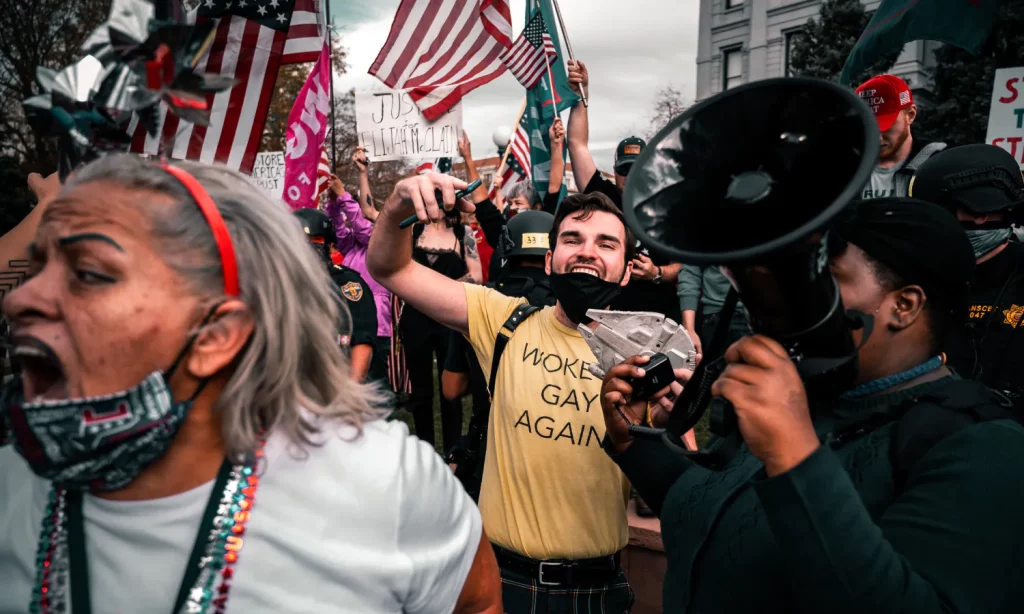
Let’s peel back the layers of how news gets distorted. Take a moment to consider the language used in your news article. Subtle word choices, imagery, and even tone can lead to an outright skewing of facts. For instance, describing a protest as a “riot” instead of a “demonstration” creates a completely different image in the audience’s mind. This framing effect shapes public perception about the issues at stake and influences how we engage with them.
Talking Points:
You’ve probably heard about media conglomerates monopolizing the news landscape. When a handful of corporations own most of the channels you watch or read, it raises serious questions about news credibility. These conglomerates often dictate editorial choices based on their profitability and not the integrity of reporting. This stark reality leads to conflicts of interest that can be detrimental to independent journalism.
Talking Points:
The interaction between media and politics is another layer of bias we can’t ignore. Politicians and political parties often leverage news outlets to bend narratives in their favor. With evidence suggesting that 83% of Americans believe there’s a fair amount of political bias in news coverage, it’s time we scrutinize who’s pulling the strings. This manipulation isn’t just about opinions—it shapes our electoral process and civic participation.
Talking Points:
Here’s where things get tricky. Social media is a beast that drives news consumption today. Platforms like Facebook and Twitter curate what you see based on past behavior, generating an echo chamber effect. If you’re sharing memes that align only with your views, are you really informed? Nope, you’re stuck in a filter bubble that limits exposure to diverse perspectives, distorting your worldview even further.
Talking Points:
Recognizing media bias is essential in the battle for informed citizenship. Tools like Media Bias/Fact Check and AllSides help readers identify an outlet’s slant. However, it’s not just about having access to these tools; critical thinking skills are crucial, too. Ask the tough questions. Where’s the information coming from? Who stands to gain from this narrative? Empowering yourself to evaluate sources critically can shift the balance of responsibility from media to consumer.
Talking Points:
The ramifications of media bias extend beyond the individual to the heart of democracy itself. Research shows that bias leads to political polarization, breeding animosity and division rather than dialogue. We need to recognize that these emotional narratives grip our minds more tightly than rational discourse, often leading to uninformed participation in our political processes. Are we willing to let media conditions dictate our civic engagement?
Talking Points:
So, what can we, the informed citizens, do to combat media bias? Start by diversifying your news sources. Consume information from outlets with various ideological stances. Engage with opposing viewpoints and have honest discussions. You might be surprised at how enriching these conversations can be! And don’t hesitate to share your knowledge—encouraging media literacy among friends, family, and peers is a collective effort we can champion.
The weight of media bias is crushing, yet we hold the power to change the narrative. By practicing critical consumption, we can navigate this complex information environment. Remember, staying informed is just as much about how we consume media as it is about the media itself. Join me in challenging the way we verify what’s true and what’s merely a spin tactic. I encourage you to share your experiences in the comments below!
1. What are some common signs of media bias?
You can often detect media bias through language choice, story selection, and the framing of narratives. If a news piece consistently favors one ideology, it’s likely exhibiting bias.
2. How does media bias affect political opinions?
Media bias plays a significant role in shaping political opinions by presenting stories that resonate with particular viewpoints, leading to polarization and divided public opinion.
3. Is it possible to eliminate media bias completely?
While some level of bias may be inevitable, striving for balanced reporting and media literacy can help mitigate its effects. It’s about being aware and critical of what we consume.
4. What resources exist to help identify media bias?
Useful tools include Media Bias/Fact Check and AllSides, which categorize news outlets’ biases. They can help guide your media consumption.
5. How can I improve my media literacy?
Improving media literacy involves engaging with various news sources, questioning their narratives, discussing ideas with others, and educating yourself on identifying bias. It’s an ongoing process that benefits us all.